5 Ways Small Manufacturers Modernize Without System Overhauls
When small manufacturers hear “modernization,” they often picture the same nightmare scenario: months of downtime, expensive new software that doesn’t talk to existing systems, and a learning curve that grinds production to a halt. But here’s what many shop owners don’t realize—working with a manufacturing modernization consultant doesn’t mean ripping out everything you’ve built. In fact, the most successful modernization projects keep your current systems running while strategically adding capabilities that solve your biggest bottlenecks. The key is finding a manufacturing modernization consultant who understands that your goal isn’t transformation for transformation’s sake—it’s solving real problems without creating new ones.
Why Manufacturing Modernization Doesn’t Mean Starting Over
The biggest misconception about digital transformation for small manufacturers is that you need to invest in a complete system replacement. A skilled automation consultant for manufacturers understands that your existing ERP, accounting software, and shop floor processes have years of institutional knowledge baked in. The goal isn’t to discard that investment—it’s to augment it strategically. (Learn more about AI consulting for manufacturers that actually works and how the right approach protects your existing investments.)
Think of modernization like upgrading your shop equipment. You didn’t replace every machine at once. You identified bottlenecks, upgraded specific capabilities, and ensured new equipment integrated with your existing workflow. Digital modernization follows the same philosophy. A manufacturing modernization consultant starts by understanding what’s already working and identifying specific friction points where technology can create immediate impact without disrupting your core operations.
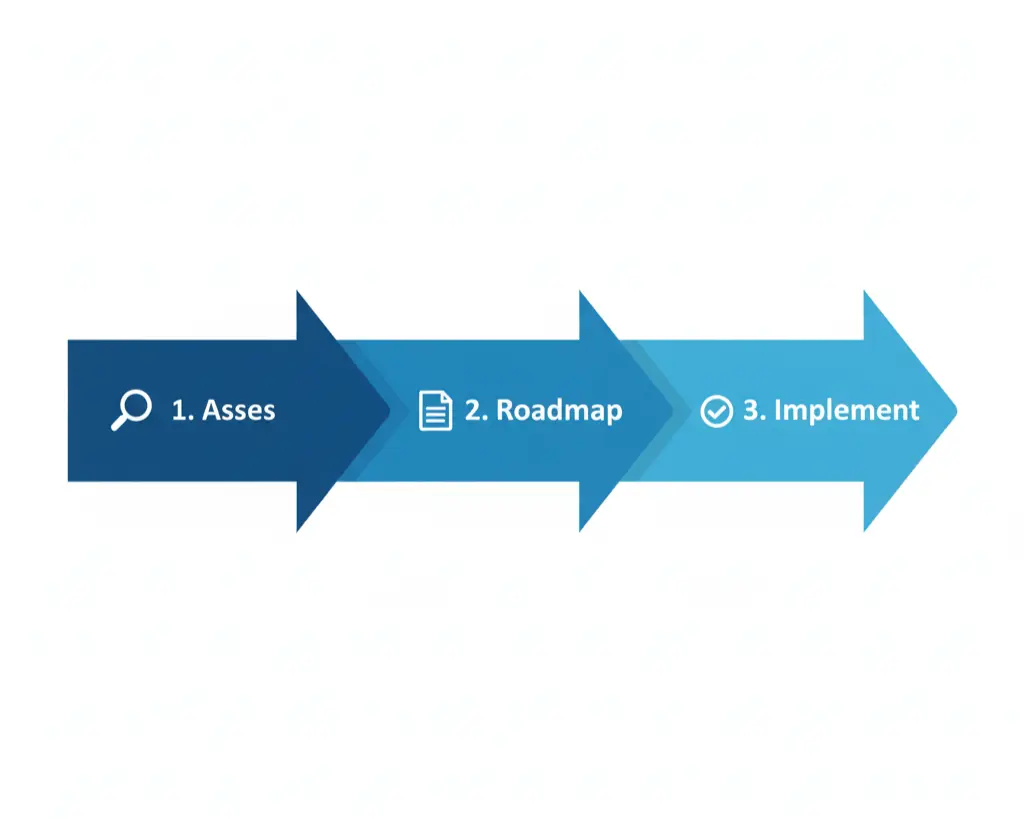
The Phased Approach: Assess, Roadmap, Implement
Smart modernization follows a deliberate three-phase methodology that minimizes risk while maximizing results:
Phase 1: Assess Your Current State
Before implementing anything, a consultant maps your existing workflow from quote to cash. This assessment identifies where time disappears, where errors creep in, and where manual processes create bottlenecks. You might discover that your quoting process takes three days not because of complexity, but because the quote request sits in someone’s inbox. Or that shop floor delays happen because production schedules live in someone’s head instead of a visible system.
Phase 2: Build Your Modernization Roadmap
With pain points identified, the manufacturing modernization consultant prioritizes improvements based on impact and implementation difficulty. Quick wins come first—automations that take days to implement but save hours weekly. These early successes build momentum and demonstrate ROI before tackling more complex integrations. The roadmap becomes your guide, showing exactly what happens when, what resources you’ll need, and what results to expect.
Phase 3: Implement in Controlled Phases
Implementation happens in small, testable increments. You might start with automated quote follow-ups, test them for two weeks, then add production scheduling visibility. Each phase delivers measurable value before moving forward. If something isn’t working, you adjust the specific automation—not your entire operation.
How Small Manufacturing Improvements Compound Over Time
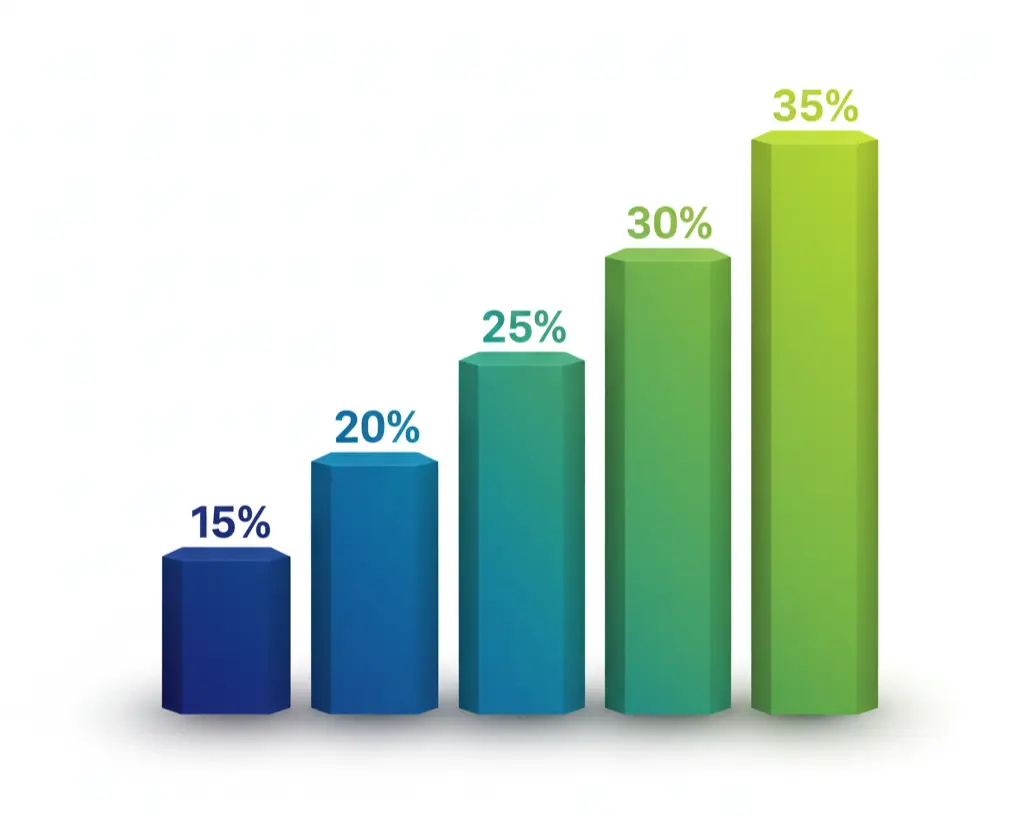
The power of modernization isn’t in one dramatic change—it’s in how small improvements stack and multiply. Consider these realistic examples a manufacturing modernization consultant might implement:
Quote Visibility:
Automated tracking shows which quotes are pending, which need follow-up, and conversion rates by customer type. This 30-minute implementation might increase your quote-to-order conversion by 15% simply through better timing and follow-through.
Follow-Up Automation:
Simple email sequences nurture prospects who aren’t ready to buy today. One manufacturer added a six-month follow-up sequence and recovered $180,000 in previously “dead” quotes the first year.
Production Insights:
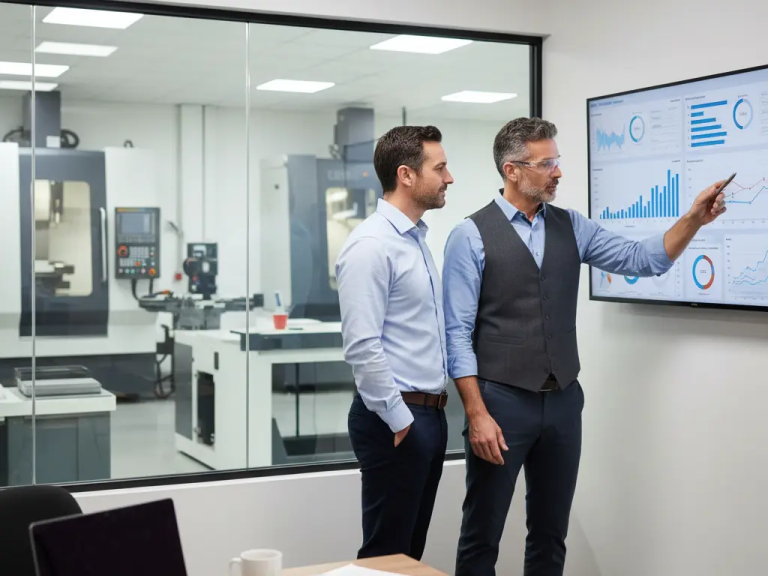
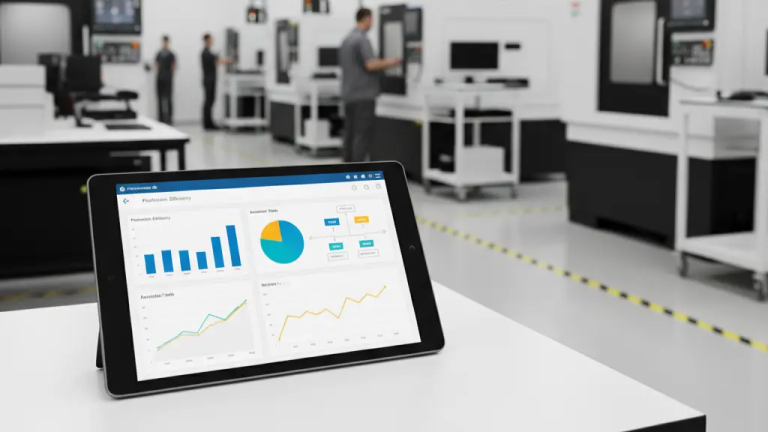
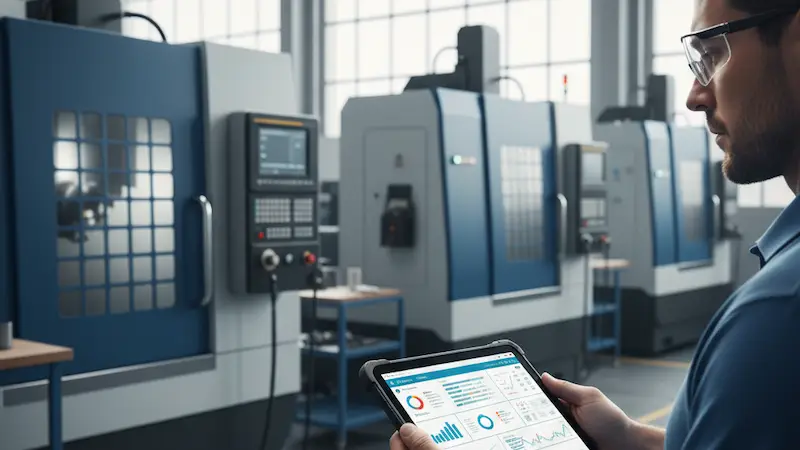
Basic dashboards pulling from existing systems show real-time capacity, on-time delivery rates, and job profitability. Machine shops using this visibility report 20-30% improvement in delivery performance within 90 days.
Each improvement individually might save two hours weekly or capture a few additional orders monthly. But compound these over a year, and you’re looking at an additional production capacity equivalent to hiring two people—without the overhead, training, or management burden.
According to the [National Institute of Standards and Technology (NIST) Manufacturing Extension Partnership](https://www.nist.gov/mep), small and medium manufacturers that adopt strategic modernization see an average of $54,000 in new or retained sales per project, with many experiencing significantly higher returns through improved operational efficiency.
If you’re ready to take the first step, start small with these 5 simple automations for small manufacturers that deliver fast ROI.
Real-World Example: Modernizing Quoting Without Changing the ERP for Small Manufacturers
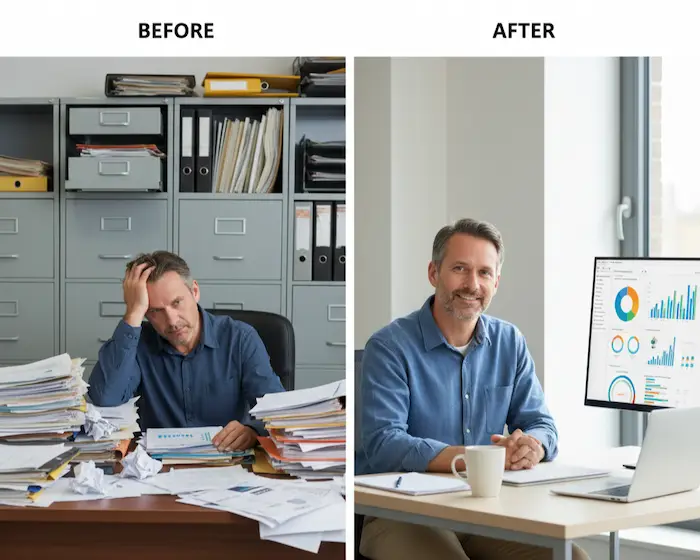
A 15-person machine shop was losing quotes because their process couldn’t keep up with demand. Quote requests arrived via email, phone, and their website. The owner manually compiled information, created quotes in Excel, and emailed PDFs back to customers. The process took 2-3 days per quote, and follow-ups were inconsistent because everything lived in various inboxes.
They didn’t need a new ERP. They needed quote management that connected to their existing systems. An automation consultant for manufacturers built a simple solution: a web form that captured quote requests with all necessary details, automatically generated quotes using their existing pricing logic, and triggered follow-up sequences based on customer responses. The shop’s ERP continued running production and accounting. Their CRM continued managing customer relationships.
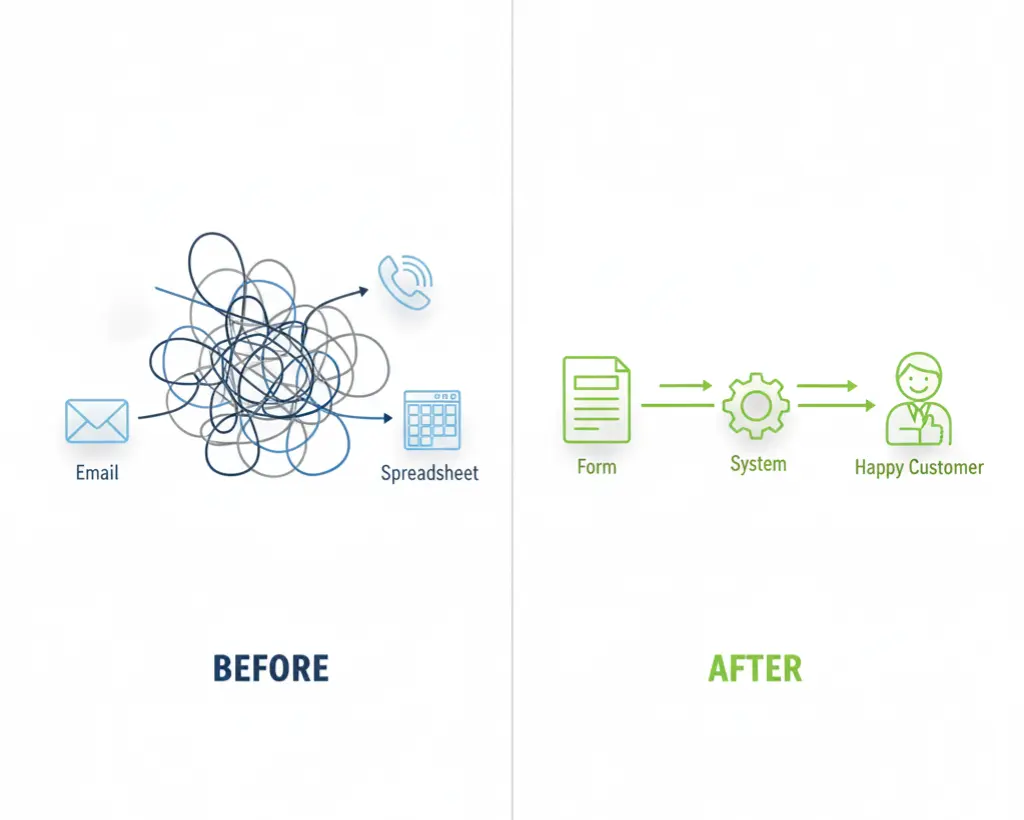
The implementation took two weeks, including testing. Results showed up immediately: quote turnaround dropped from three days to four hours, quote volume increased by 35% (same team, better process), and conversion rates improved by 12% due to consistent, timely follow-ups. Most importantly—production never stopped, no one needed extensive retraining, and the investment paid for itself in eight weeks. This is exactly the type of targeted solution a manufacturing modernization consultant delivers without disrupting your core operations.
What Modernization Actually Looks Like for Your Shop
Digital transformation for small manufacturers isn’t about becoming a tech company. It’s about giving your team better tools to do what they already do well. You don’t need Silicon Valley’s budget or their IT department. You need targeted improvements that address your specific challenges:
- Quote processes that respond in hours, not days
- Production visibility that prevents missed deliveries
- Automated reminders that keep projects moving
- Data that shows which customers and jobs are actually profitable
- Follow-up systems that recapture lost opportunities
A manufacturing modernization consultant brings expertise in identifying which tools solve which problems, how to implement them without disrupting operations, and how to ensure your team actually adopts them. The right manufacturing modernization consultant becomes your guide through the complexity, translating technical possibilities into practical solutions. The best implementations are almost invisible—your team doesn’t learn a complicated new system; they simply notice their day got easier.
Your Next Step: Understand Your Modernization Path
Every manufacturing operation is unique. Your production process, customer base, equipment, and team create a specific set of challenges and opportunities that generic software solutions can’t address. That’s exactly why a customized approach works better than off-the-shelf “solutions” that force you to change how you work.
If you’re curious what modernization would look like for your specific shop setup, the first step is understanding where you are and where targeted improvements could have the biggest impact. A 30-minute modernization call can map your current process, identify your highest-value opportunities, and outline a realistic implementation path that keeps production running while adding capabilities that drive measurable results.
Schedule Your Free 30-Minute Modernization Call
Discover which modernization opportunities will have the biggest impact on your shop—without disrupting what’s already working.